
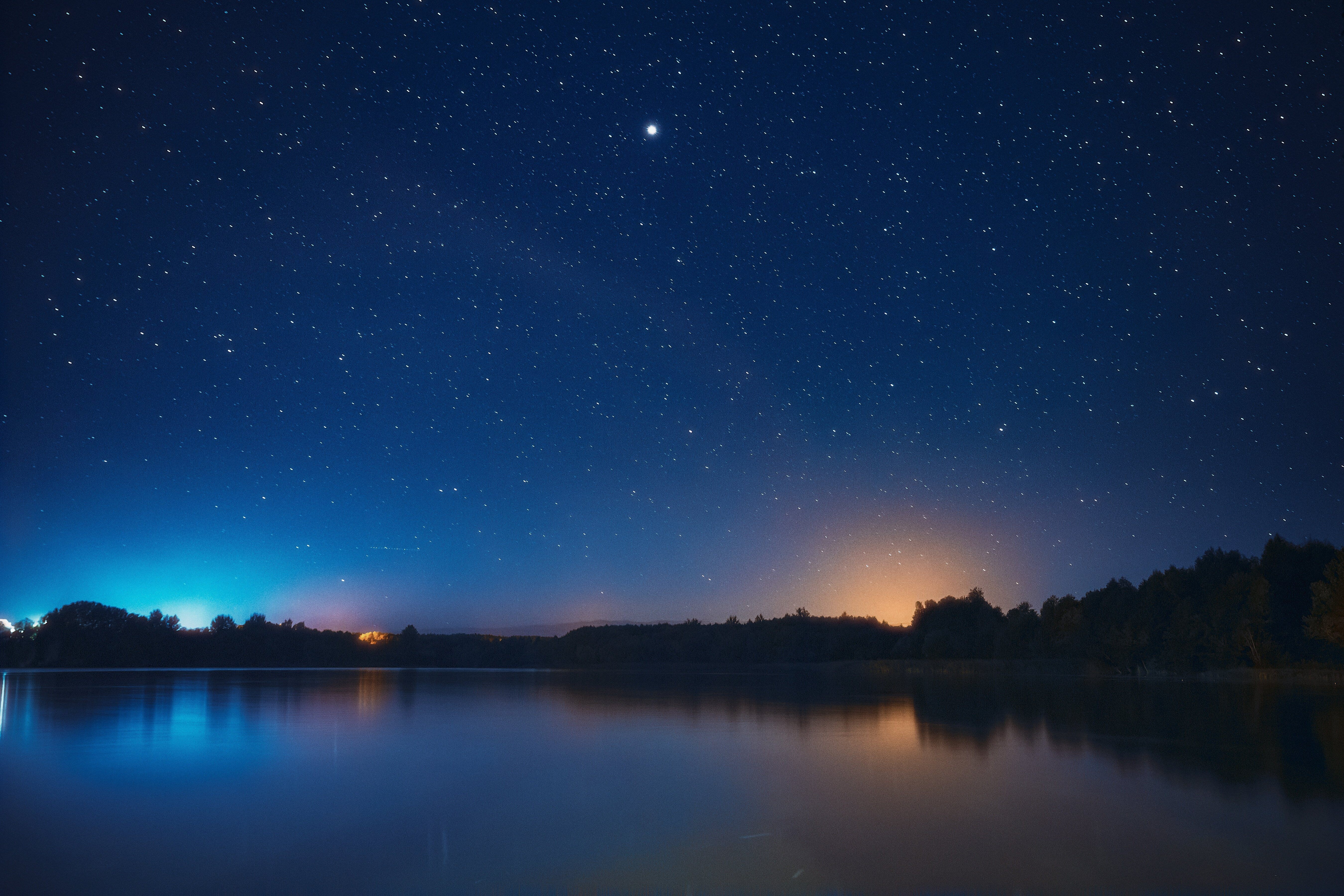
Discovery of Comet 3(I) Atlas
An unusual astronomical event has captured our attention—a visit by a special comet entitled 3(I) Atlas, first spotted in July 2025. The letter “I” indicates its interstellar origin, while the numeral 3 tells us it is only the third interstellar comet ever detected. Atlas is the name of the survey telescope used to discover it.What Comets Are Made Of
Comets are composed of frozen gases, dust particles, and sometimes small rock fragments. They are infrequent visitors to our region of the Solar System. Sometimes they are referred to as “frozen snowballs.” They are set in motion by the force of gravity from another passing body. Sometimes they hurtle toward our Solar System and become visible when the sun heats their frozen gases. The comet forms a coma surrounding its nucleus. It also sprouts a tail as it comes closer to radiation from the Sun. The appearance of a comet is a rare visual treat.
Where Comets Originate
Comets originate from two regions—the Kuiper Belt, and the Oort Cloud. The Kuiper Belt is the source of short term comets. It is a region that begins at the orbit of Neptune and continues somewhat beyond the orbit of former planet Pluto. The Oort Cloud is much more distant and much larger. Astrophysicists believe the Oort Cloud may host up to a trillion long term comets. The Oort Cloud is still considered part of our Solar System. Depending on various estimates, 6000 or more comets have been observed and catalogued.
Significance of an Interstellar Comet
Until 2017, all visible comets were believed to originate within our own Solar System. In 2017 and 2019 the first two extra-solar comets were detected which formed beyond our Solar System. The comet 3(I) Atlas has generated considerable excitement. It came from a star system a great distance from our Solar System.
Comets in the Context of the Solar System
Our Solar System hosts a star surrounded by planets, their moons, and other bodies, including comets and asteroids. Our home galaxy, the Milky Way, is a spiral galaxy composed of over 100 billion stars.
Miracles and the Formation of the Universe
Stars, planets, satellites, asteroids, comets, and many other objects in our universe have been formed or modified by thousands of transformational miracles. Our Science/Faith blog has often categorized three type of miracles: transcendent, transformational, and sustaining. Genesis 1:1 speaks about a transcendent miracle—the creation of “the heavens and the earth.” At that instant, MATTER, ENERGY, SPACE, and TIME were brought into existence. A helpful discussion of different types of miracles can be found in our 11/13/2017 post. Here is a link to that post:
https://jasscience.blogspot.com/2017/11/our-miracle-immersed-planet.html
Scientific Interpretation of Comet 3(I) Atlas
Comet 3(I) Atlas formed in the region surrounding a neighboring star. There were a few breathless “experts” who speculated the comet was an example of alien technology. Currently, experts pronounce Comet 3(I) Atlas to be a natural phenomenon, not the product of intelligent visitors from an alien world. The nearest star in our Milky Way galaxy is four light years away, an enormous distance within our 100,000 light-year wide galaxy. Our Solar System, including our home on Planet Earth is composed of matter miraculously transformed by our timeless, omnipotent Creator since His initial transcendent creation of “the heavens and the earth.” Comets of all types help us discover the story of creation.
The Journey of Comet 3(I) Atlas
Comet 3(I) Atlas has already passed our Sun and is headed away from our Solar System to continue its journey of billions of years. It is not a periodic comet and it will never return to our cosmic neighborhood. We trust this post inspires readers to study related theological and scientific issues triggered by the arrival of 3(I) Atlas. Extensive web articles supply fascinating detail about our cosmic visitor.
Go Deeper

Jim Virkler
Jim Virkler is a retired high school science teacher who writes extensively on the harmony between scientific discoveries and the Christian faith.
Leave a comment